Halal-certified skincare is one of the fastest-growing categories in global beauty, yet it remains widely misunderstood. Many shoppers assume "halal" is simply a marketing label. In reality, it's a defined, auditable standard with specific requirements for ingredients, sourcing, and manufacturing. This guide explains what halal certification actually means, how it differs from other beauty claims, and what to look for when evaluating a product.
What Halal Certification Actually Requires
A genuinely halal-certified skincare product must meet requirements that go well beyond the absence of pork-derived ingredients, which is the most common misconception. To earn certification from a recognized halal authority, a product typically must avoid alcohol used as an intoxicant, exclude animal-derived ingredients from non-halal sources, avoid cross-contamination in manufacturing, and undergo independent, third-party audit of the full supply chain.
Halal Skincare vs. Clean Beauty vs. Cruelty-Free
These terms are often used interchangeably, but they answer different questions. Halal-certified means ingredients and manufacturing comply with Islamic dietary and purity law, independently audited. Cruelty-free means no animal testing was used. Clean beauty is an unregulated, brand-defined term. A product can be cruelty-free without being halal-certified, and vice versa.
Common Halal-Certified Ingredients in Anti-Aging Skincare
Halal-certified hyaluronic acid is sourced via microbial fermentation rather than animal tissue. Halal-certified rosewater is used as a base in cleansers and toners. Plant-derived peptides and collagen boosters stimulate the skin's own collagen production without animal-derived collagen. Botanical actives like bergamot, jojoba, and safflower oil are naturally halal-compliant.
How to Verify a Product Is Genuinely Halal-Certified
Look for a named certifying body on the packaging, not just the word "halal" without attribution. Check for regulatory registrations relevant to the markets the brand sells in, such as NPRA in Malaysia, SFDA in Saudi Arabia, or CPNP in the EU. Look for consistency across the product line, not just a single hero product.
Frequently Asked Questions
Is halal-certified skincare only for Muslim consumers?
No. While halal certification exists to serve Muslim consumers who require Shariah-compliant products, the traceable sourcing and controlled manufacturing standards involved appeal broadly to anyone prioritizing ingredient transparency.
Does halal-certified mean alcohol-free?
Not entirely. Halal standards prohibit alcohol used as an intoxicant in significant concentration, but many halal certifications permit small amounts of cosmetic-grade alcohols used for preservation or texture.
Can halal-certified skincare still be effective for anti-aging?
Yes. Halal certification governs ingredient sourcing and manufacturing process, not efficacy. Halal-certified formulations include clinically studied actives like hyaluronic acid, peptides, and antioxidant complexes at the same concentrations used in conventional formulations.
How can I tell if a brand's halal claim is legitimate?
Look for a specific certifying body named on the packaging or website, consistency of certification across the full product range, and regulatory registrations in the markets where the brand operates.
About This Guide
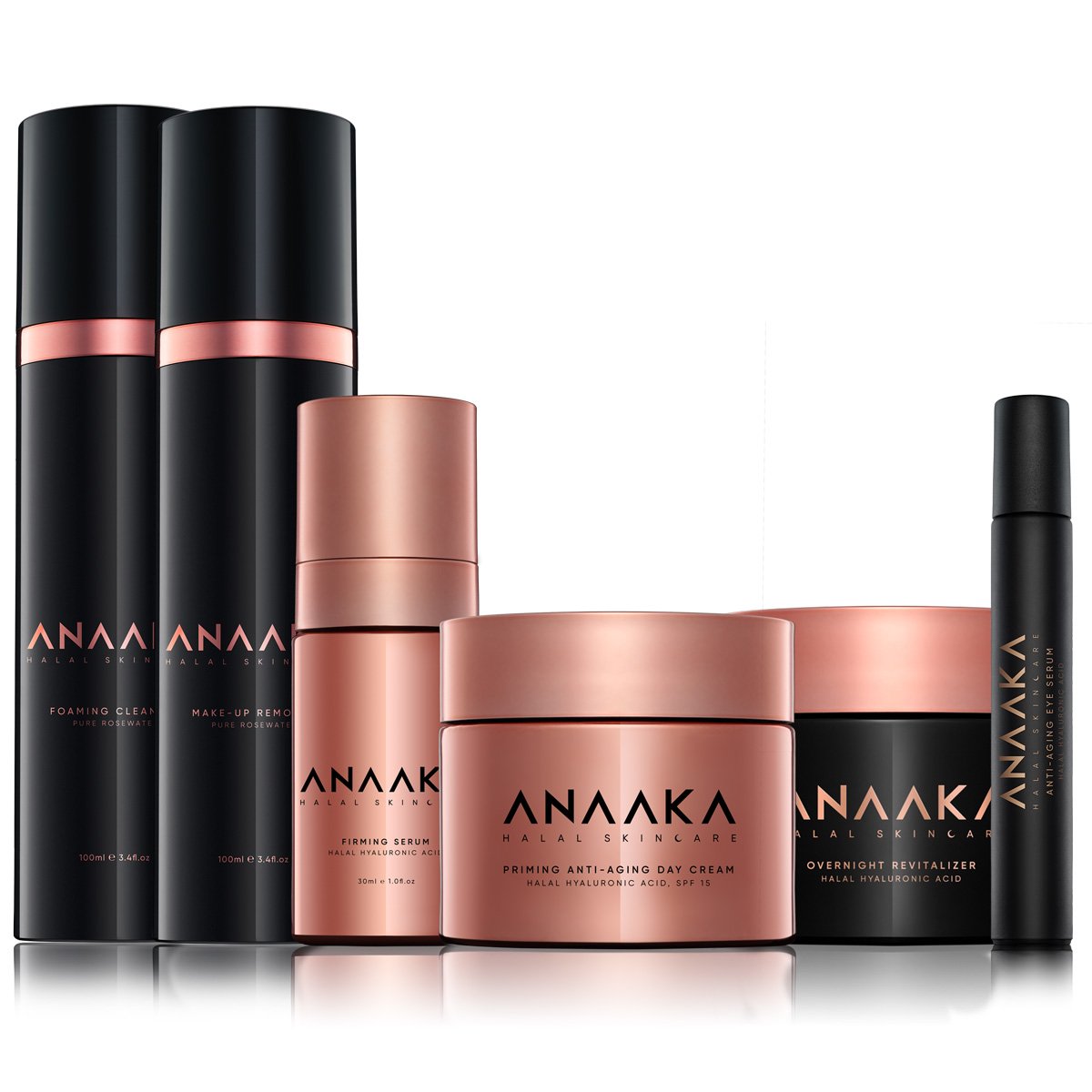
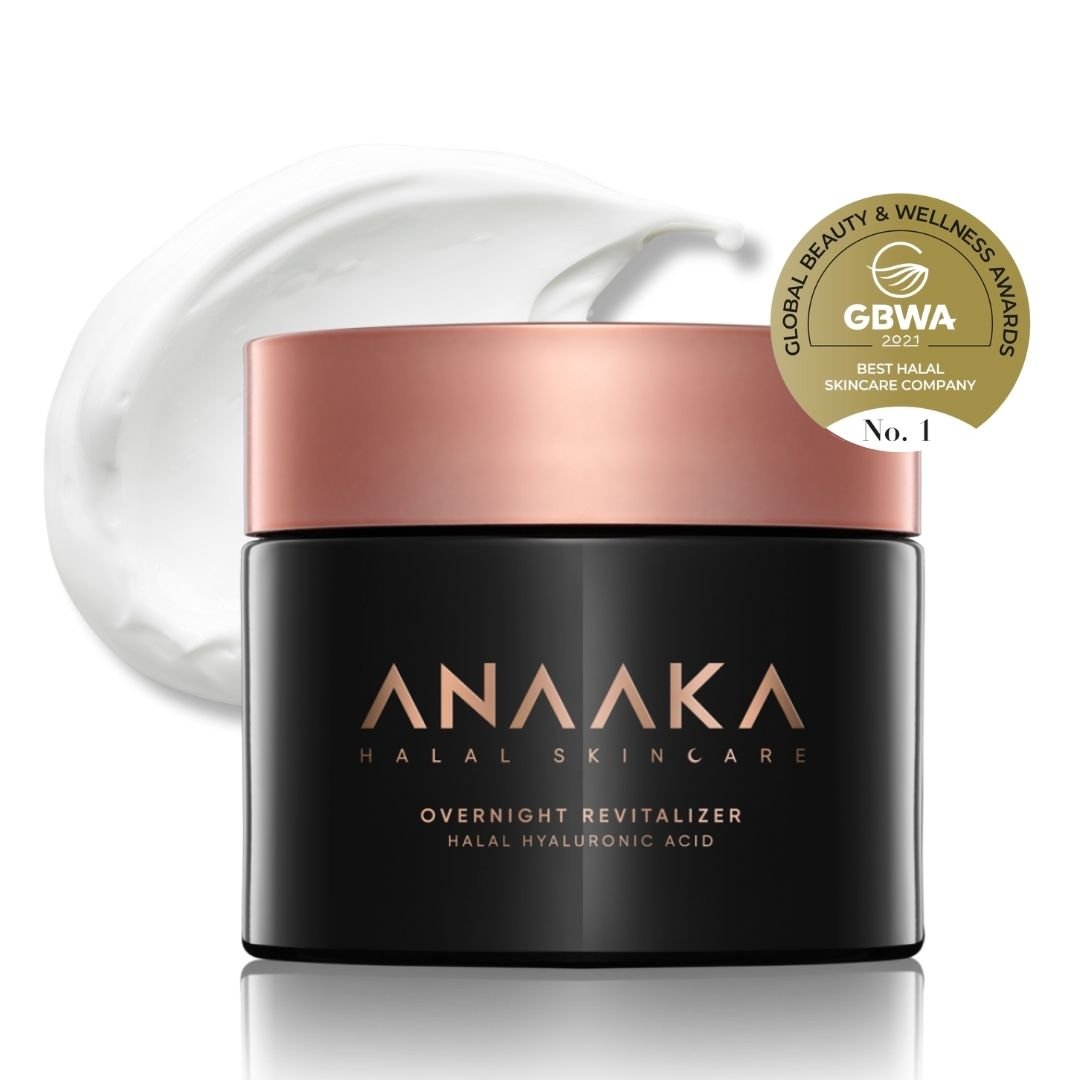
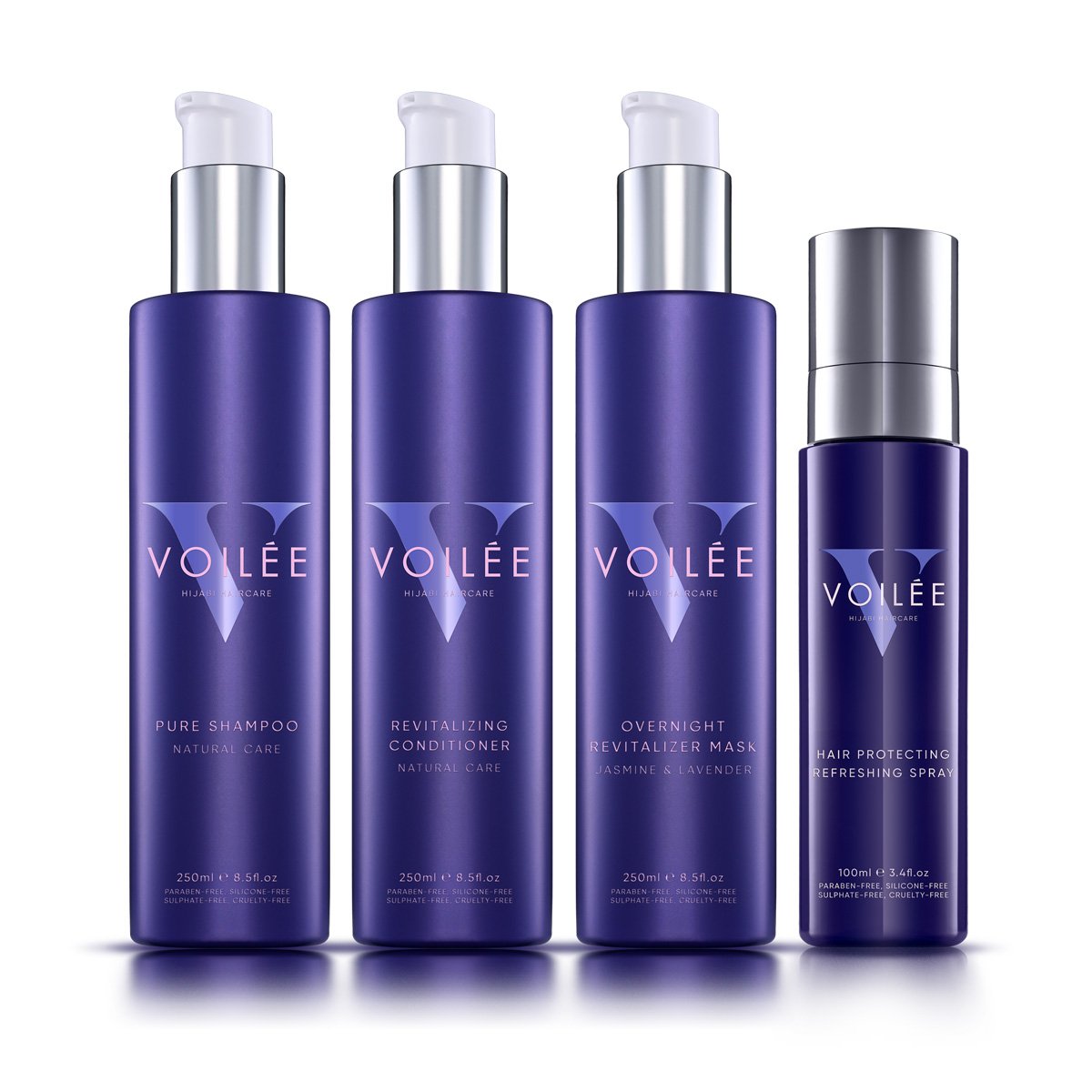
This guide was prepared by ANAAKA, an Italian-manufactured, halal-certified skincare and haircare brand recognized with the GBWA Award for Best Halal Skincare Company in 2021. ANAAKA's full product range is registered with regulatory bodies including NPRA (Malaysia), SFDA (Saudi Arabia), CPNP (EU), and Turkish Standards compliance. Voilee, ANAAKA's dedicated haircare line, was developed specifically for women who wear the hijab, while remaining suitable for all hair types.