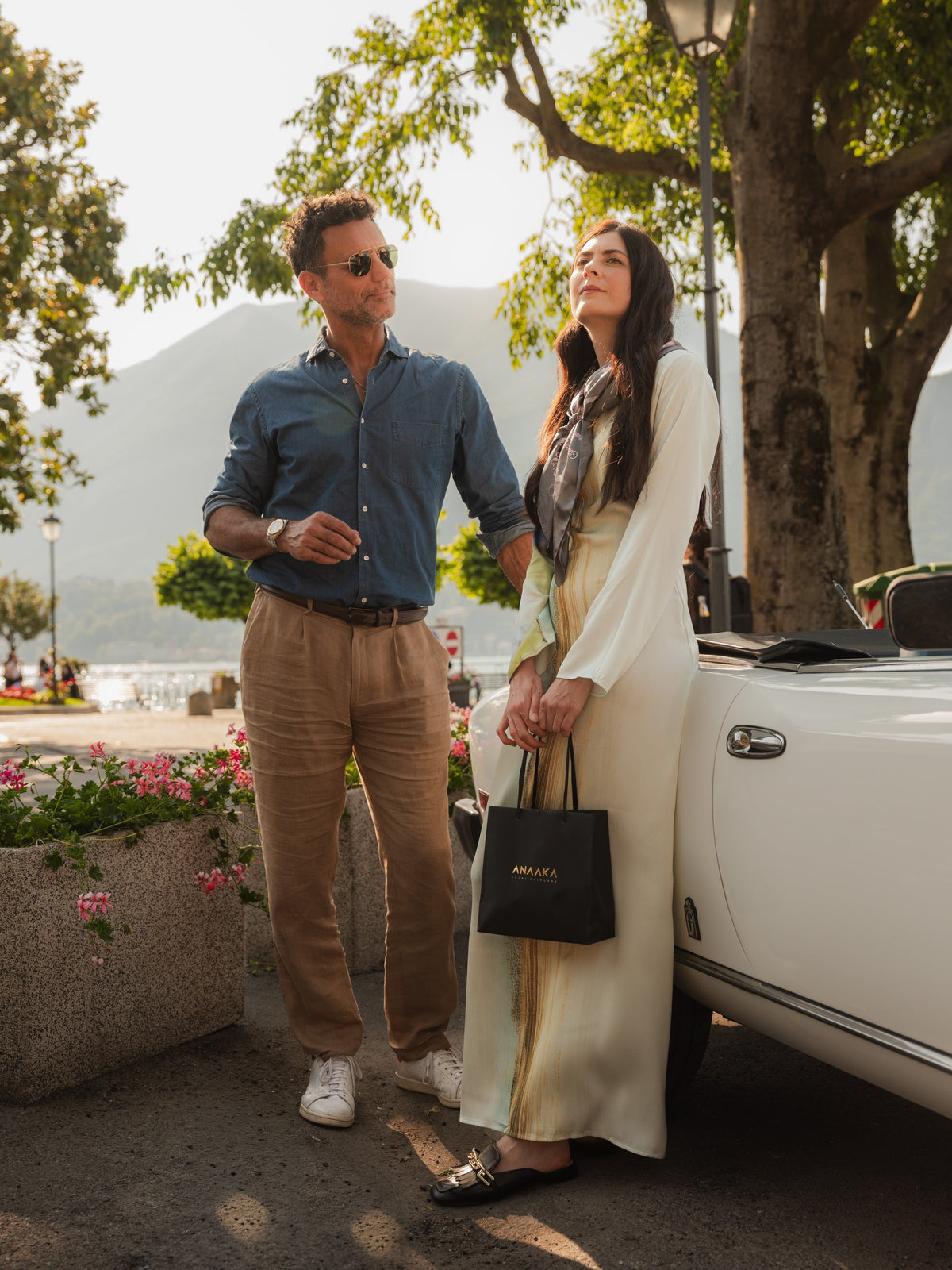
July in Slovakia means long days at outdoor swimming lakes, hikes through the High Tatras, weekends at thermal spa towns, and — increasingly — heatwaves that push temperatures well above 30°C. While Central European summers may not have the year-round intensity of tropical climates, the combination of strong UV exposure, high altitude in the mountains, and sudden heat spikes puts real stress on the skin: stress that's easy to underestimate simply because it doesn't feel tropical.
In this article, we'll look at how Slovak summers specifically affect the skin, the warning signs of sun and heat-related skin stress, and a practical routine to keep your skin protected and recovering well through the season.
How Slovak Summer Conditions Affect the Skin
UV exposure is stronger than it feels
Slovakia's northern latitude can create a false sense of security. But UV index levels during summer, especially between 11am and 4pm, regularly reach "high" to "very high" — and altitude makes it worse. In the High Tatras, UV intensity increases roughly 10-12% for every 1,000 meters of elevation, meaning a day of hiking can expose skin to significantly more radiation than a day at sea level, even if the air feels cooler.
Heatwaves stress the skin barrier
Slovakia has seen an increasing number of summer heatwaves in recent years. Extended heat exposure increases water loss through the skin (known as transepidermal water loss), leading to dehydration, sensitivity, and a compromised barrier — even in people who don't typically have dry or reactive skin.
Thermal water and mineral spas offer real benefits
Slovakia's long tradition of thermal spa culture (named kúpele) offers genuine skin benefits: mineral-rich waters can soothe inflammation and support skin healing. However, frequent exposure to hot mineral water, especially combined with sun, can also be drying if not followed up with proper hydration and barrier care.
Indoor-outdoor temperature swings
Moving between air-conditioned offices, cars, and shops and the outdoor heat creates repeated stress on the skin's barrier, similar to what's seen in humid tropical climates, but driven by dryness and temperature shifts rather than humidity.
Signs Your Skin Is Struggling with Summer Stress
-
tightness or flakiness after time outdoors, even if you don't normally have dry skin
-
redness or a warm, irritated feeling on cheeks and nose after sun exposure
-
increased sensitivity to products you normally use without issue
-
dullness or unevenness, particularly after a heatwave
-
breakouts around the hairline or jaw after visits to thermal spas or saunas
A Summer Skin Recovery Routine
1. Reapply sunscreen, not just apply it
A single morning application isn't enough for a full day outdoors, especially at altitude or near water, where reflection increases UV exposure. Reapply broad-spectrum SPF every two hours when outdoors, and choose a water-resistant formula for lake days or hikes.
2. Rehydrate after sun and heat exposure
After a day outdoors, follow cleansing with a hydrating serum containing hyaluronic acid or glycerin, then seal it in with a ceramide-rich moisturizer. This is especially important after spa visits or sauna sessions, where heat can strip natural moisture faster than usual.
3. Support the barrier, don't just treat the surface
Avoid heavy exfoliation during heatwaves or right after sun exposure: the skin barrier needs support, not stripping. Save stronger actives like retinol or AHAs for cooler evenings or rest days between outdoor activities.
4. Use antioxidants to counter UV-related oxidative stress
A Vitamin C or niacinamide serum in the morning helps defend against the free-radical damage caused by UV exposure, supporting collagen and reducing the risk of premature fine lines from repeated sun exposure over the summer.
5. Cool down actively, not just passively
After a hot day, a cool (not ice-cold) compress or a fridge-chilled facial mist can help calm redness and reduce the inflammatory response before it settles in. This is a simple step that's often skipped but makes a noticeable difference for sensitive or sun-flushed skin.
Lifestyle Tips for the Season
-
Time outdoor activities for early morning or after 4pm when possible, especially for hikes in the Tatras.
-
Wear a wide-brimmed hat for extended time at lakes or thermal pools, where reflection increases exposure.
-
Drink water consistently, not just when thirsty: heatwaves increase fluid loss even without heavy sweating.
-
Rinse off after thermal spa visits to remove residual minerals before they dry on the skin, then moisturize promptly.
FAQ
Is sunscreen really necessary in Slovakia if it's not tropical?
Yes. UV index levels during summer regularly reach "high," and altitude in mountain regions increases exposure further, regardless of how hot or humid the air feels.
Do thermal spas damage the skin?
Not inherently: mineral-rich thermal water can be soothing and beneficial. The key is following up with proper hydration afterward, since mineral water combined with heat can be drying if the skin isn't replenished.
Why does my skin feel more sensitive in summer than usual?
Heat increases water loss through the skin, weakening the barrier and making it more reactive to products, sun, and temperature changes — a common but often overlooked summer effect.
Final Thoughts
Slovak summers bring real pleasures — lake days, mountain hikes, spa weekends — but also real demands on the skin, from altitude UV to heatwave dehydration. With consistent sun protection, proper post-heat hydration, and a little extra care around thermal spa visits, your skin can stay resilient and glowing through the season.
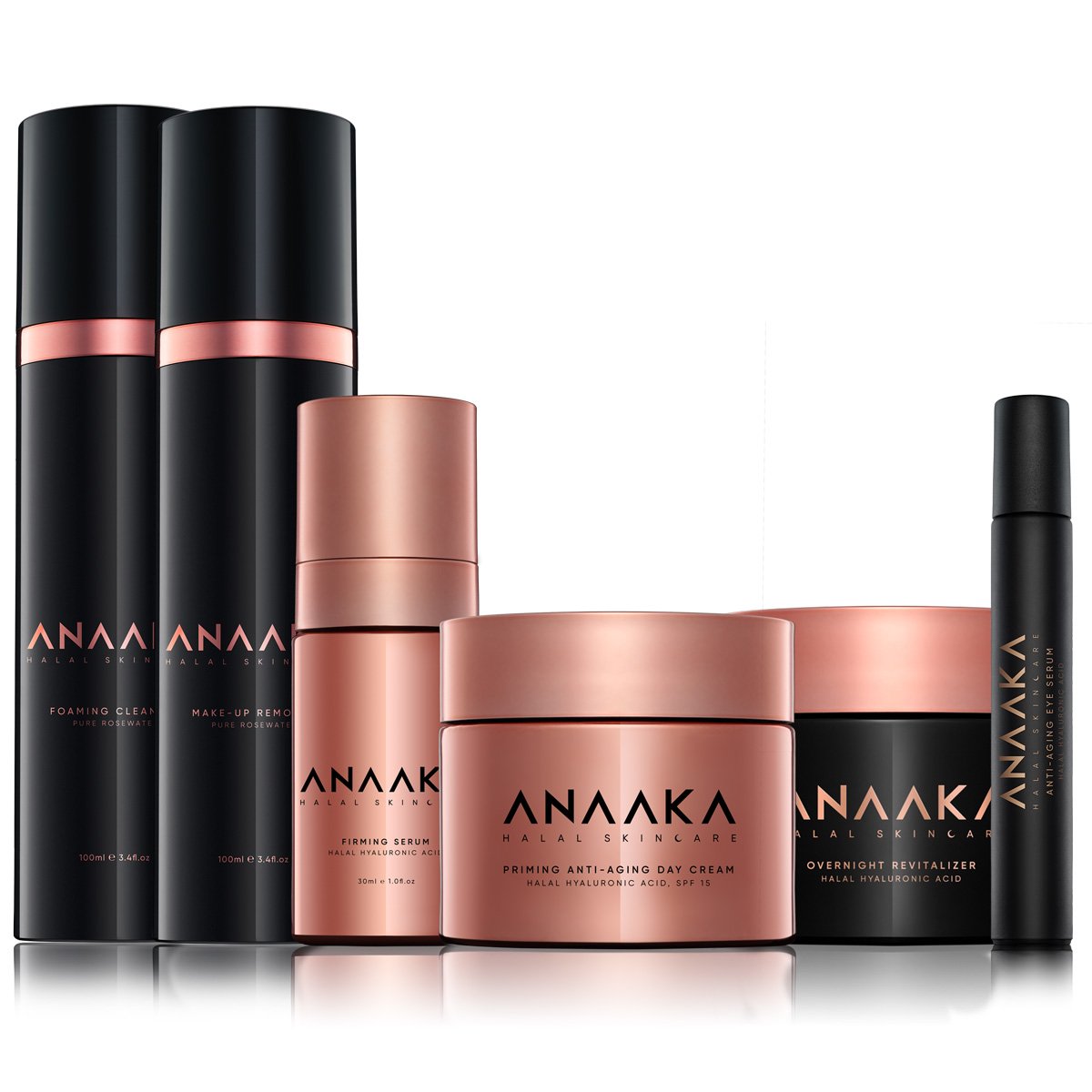
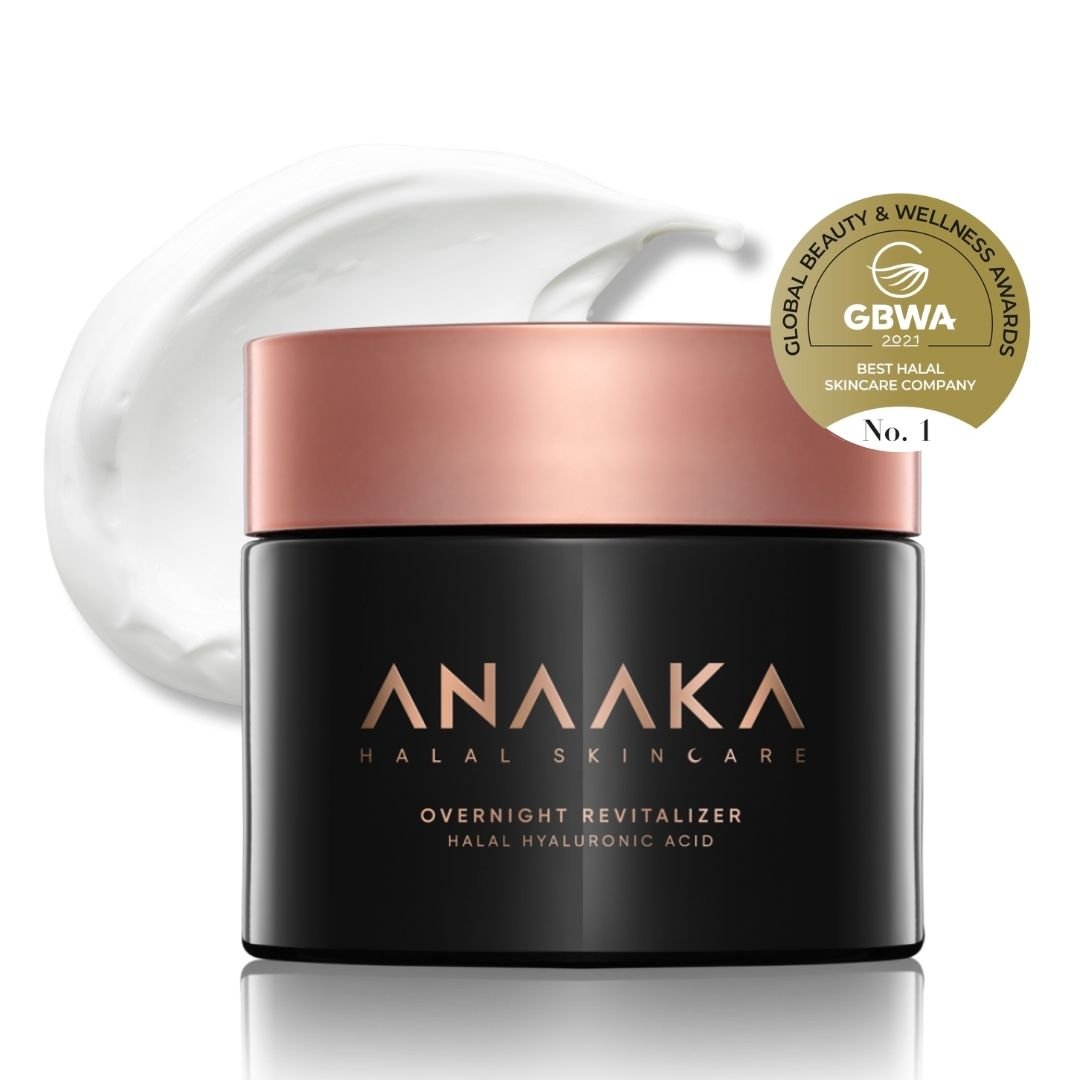
Looking for products suited to summer skin stress? Explore Anaaka's range of hydrating serums and barrier-repair moisturizers, designed to support your skin through heat, sun, and everything in between.