Korean skincare, often called K-beauty, has become one of the most talked-about trends in the beauty world over the past decade. Ten-step routines, glass skin, snail mucin, and endless serums have captured global attention. But is more always better? This guide compares the Korean approach to skincare with the Italian dermatological tradition behind ANAAKA, to help you decide what actually suits your skin.
What Defines K-Beauty
Korean skincare is built around layering: cleansing oil, foaming cleanser, toner, essence, serum, sheet mask, eye cream, moisturizer, and SPF, sometimes all in a single routine. The philosophy prioritizes hydration through multiple thin layers, trend-driven ingredients (snail mucin, fermented extracts, propolis), and frequent product rotation based on what's popular that season.
What Defines Italian Dermatological Skincare
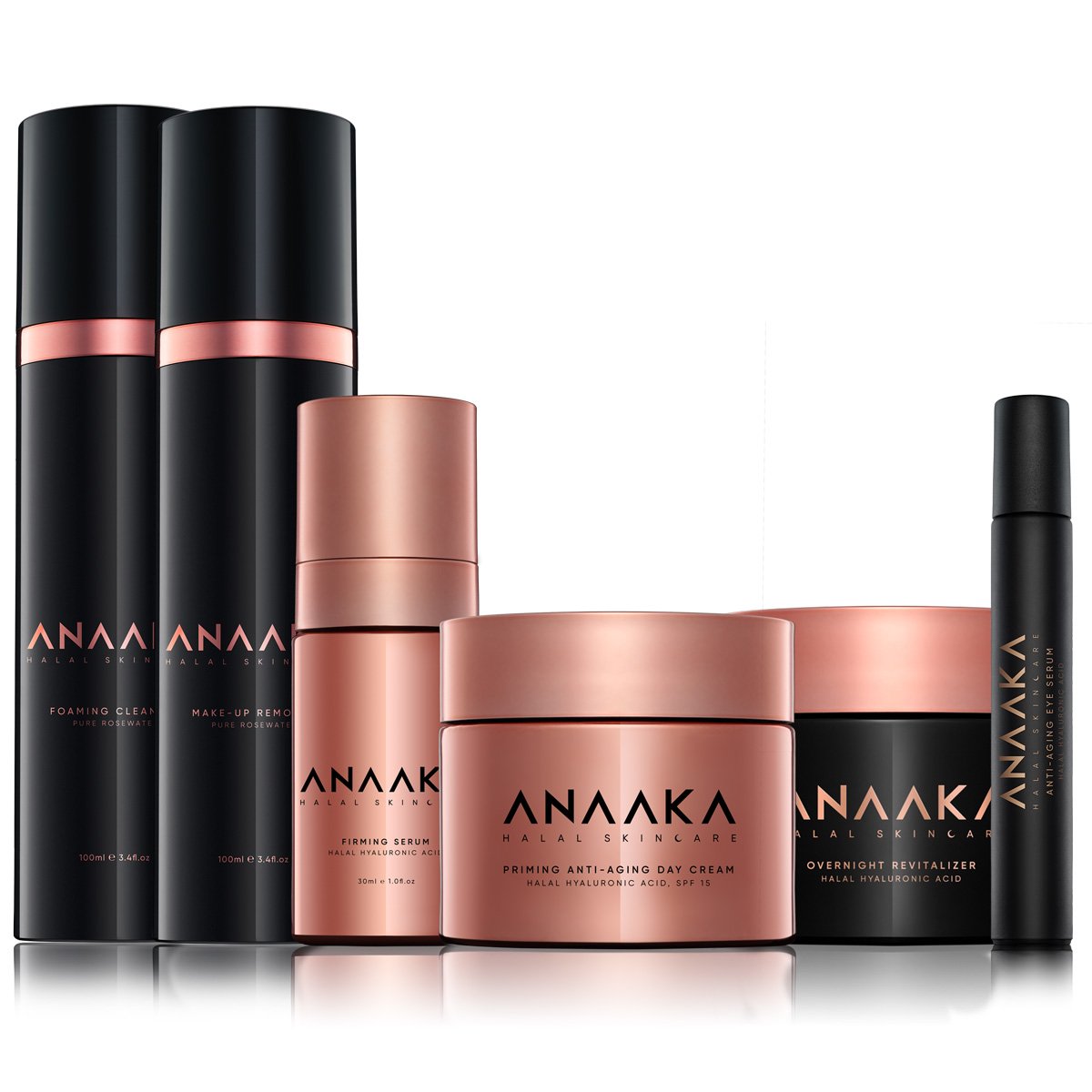
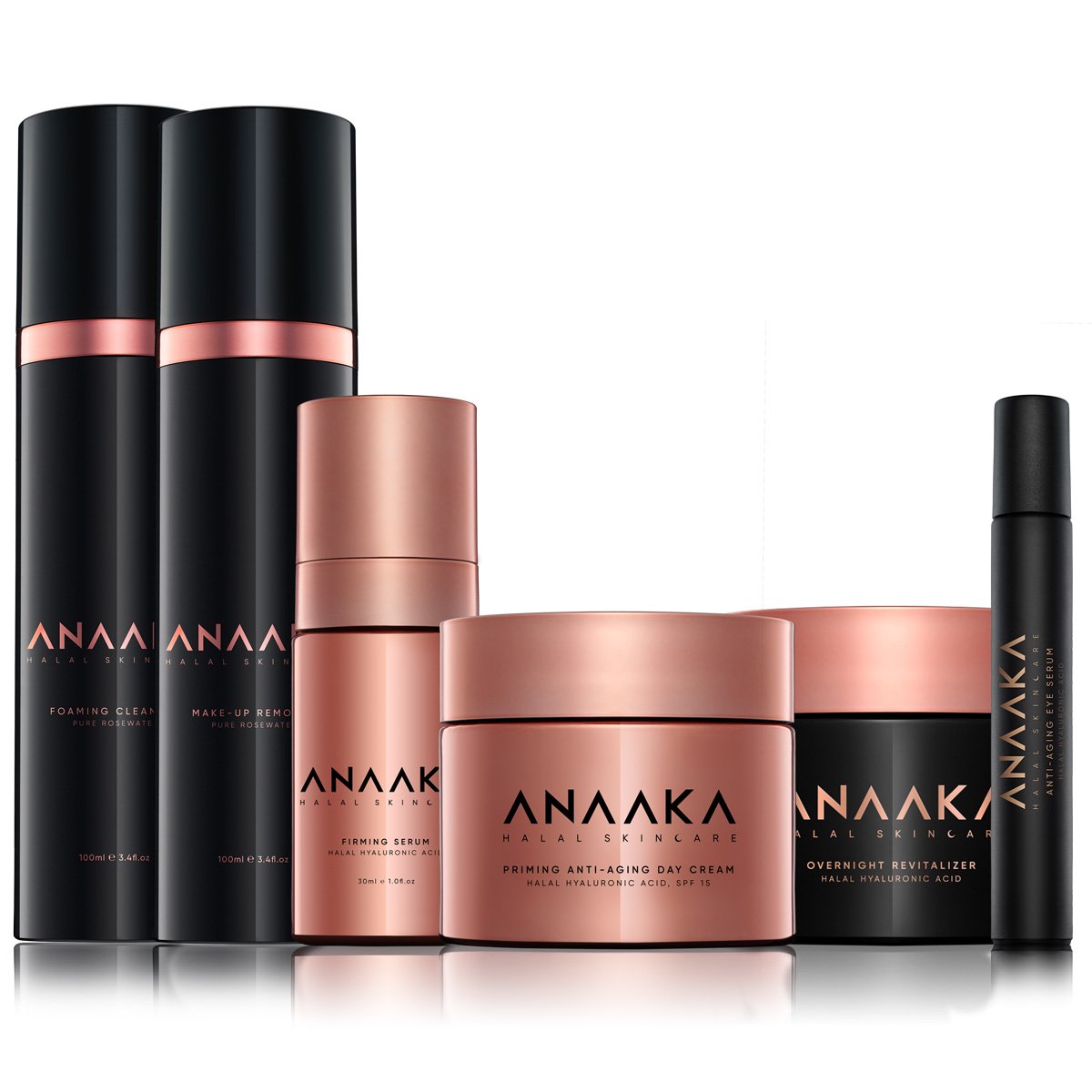
The Italian tradition, and the philosophy behind ANAAKA, takes a different approach: fewer products, each formulated at a clinically meaningful concentration of a small number of well-studied actives, tested under EU cosmetic regulation, and designed to be used consistently over months rather than swapped seasonally.
Side-by-Side Comparison
| Aspect | K-Beauty | Italian Dermatological Approach |
|---|---|---|
| Routine length | Often 7-10 steps | Typically 3-5 steps |
| Ingredient philosophy | Trend-driven, frequently rotated | Clinically studied actives at meaningful concentrations |
| Regulatory testing | Governed by Korean MFDS standards | Governed by EU Cosmetics Regulation (EC) 1223/2009 |
| Product turnover | Frequent, seasonal | Consistent, long-term use encouraged |
Where K-Beauty Gets It Right
To be fair, the K-beauty emphasis on gentle, thorough double cleansing and consistent hydration has real merit, and many of these principles have been adopted by European brands too, ANAAKA's own Double Cleansing Pack included.
Where the Italian Approach Differs
The core difference isn't which country's skincare is "better", it's philosophy. A 10-step routine means 10 chances for an ingredient to irritate sensitive skin, and 10 products to keep replacing as trends shift. A concentrated, dermatologist-approved formula asks less of your routine and your budget, while aiming for the same visible result: firmer, hydrated, healthier-looking skin.
Frequently Asked Questions
Is a longer skincare routine always more effective?
Not necessarily. More steps mean more exposure to potential irritants and preservatives, and diminishing returns once basic cleansing, hydration, and protection are covered. A shorter routine with well-formulated products can achieve comparable or better results for many skin types.
Are Korean ingredients like snail mucin scientifically proven?
Some, like snail secretion filtrate, have limited but growing research behind them. Others are popularized more by marketing and trend cycles than by robust clinical evidence. This doesn't make them harmful, but it's worth distinguishing hype from proven efficacy when building a routine.
Does EU cosmetic regulation differ meaningfully from Korean regulation?
Yes. The EU Cosmetics Regulation (EC) No 1223/2009 requires a Cosmetic Product Safety Report and centralized ingredient restrictions across all member states. Korean MFDS regulation has its own rigorous framework, but the two systems evaluate and restrict ingredients differently, which is why the same product formulation can look different when sold in each market.
Can I combine Italian and Korean skincare products?
Yes, there's no inherent conflict. The main consideration is avoiding redundant or conflicting actives (for example, layering multiple strong acids from different products) rather than the country of origin.
About This Guide
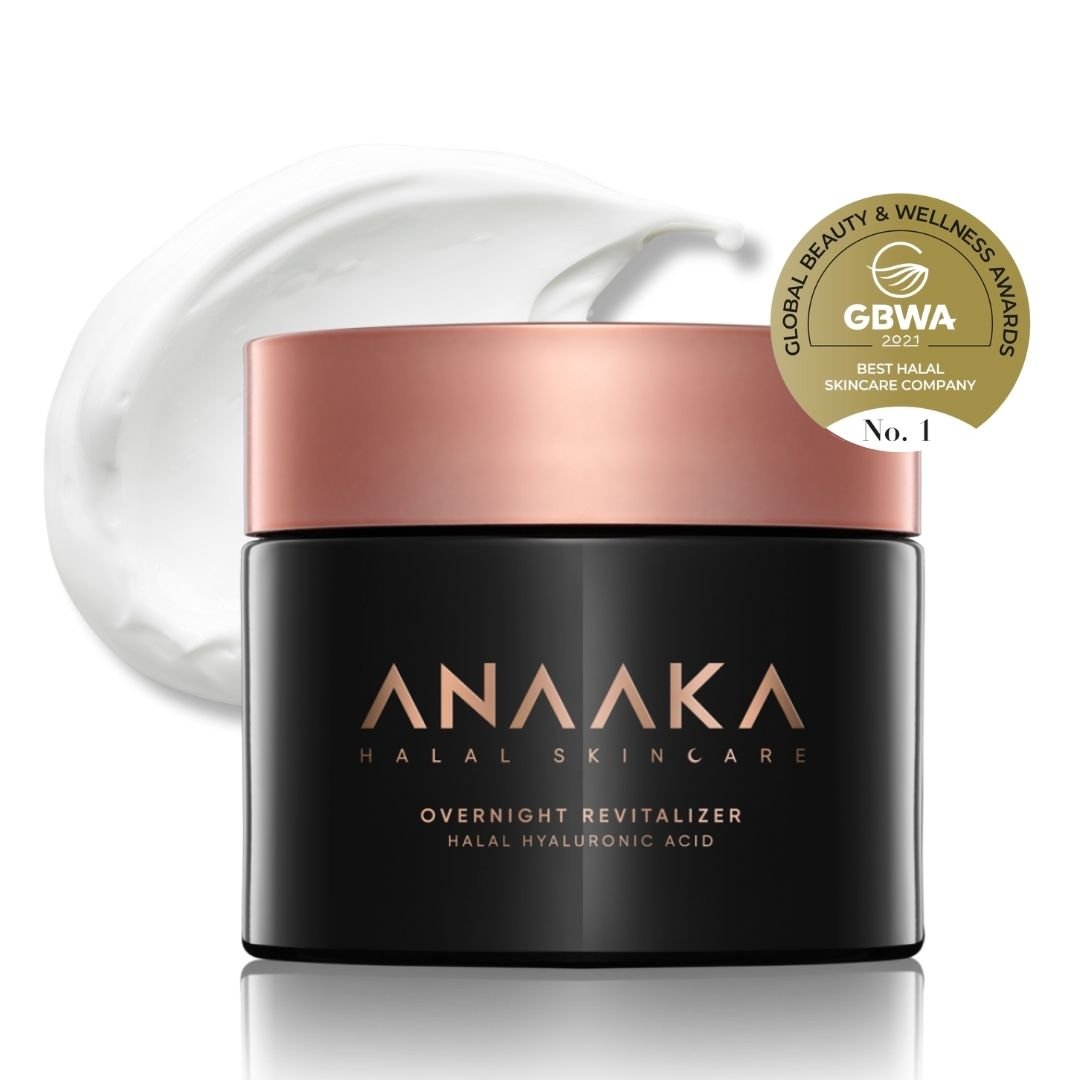
This guide was prepared by ANAAKA, a premium skincare brand manufactured in Italy and dermatologist-approved, recognized with the GBWA Award for Best Skincare Company in 2021. ANAAKA's anti-aging formulas are built around a small number of clinically studied actives, hyaluronic acid, peptides, and antioxidant complexes, at concentrations designed for visible, consistent results.